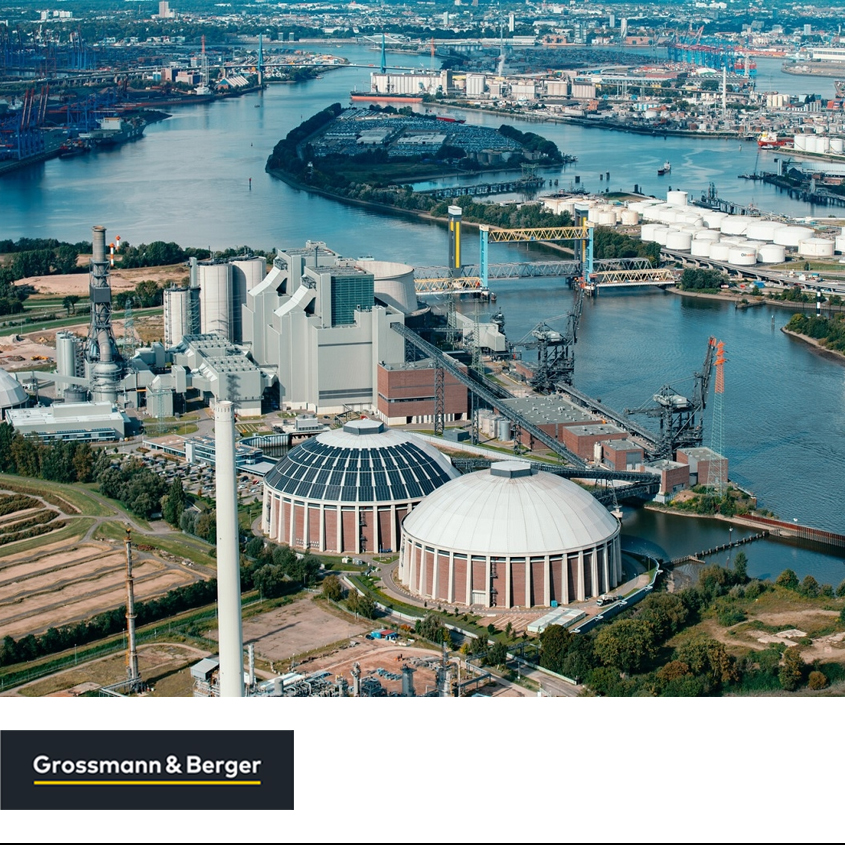
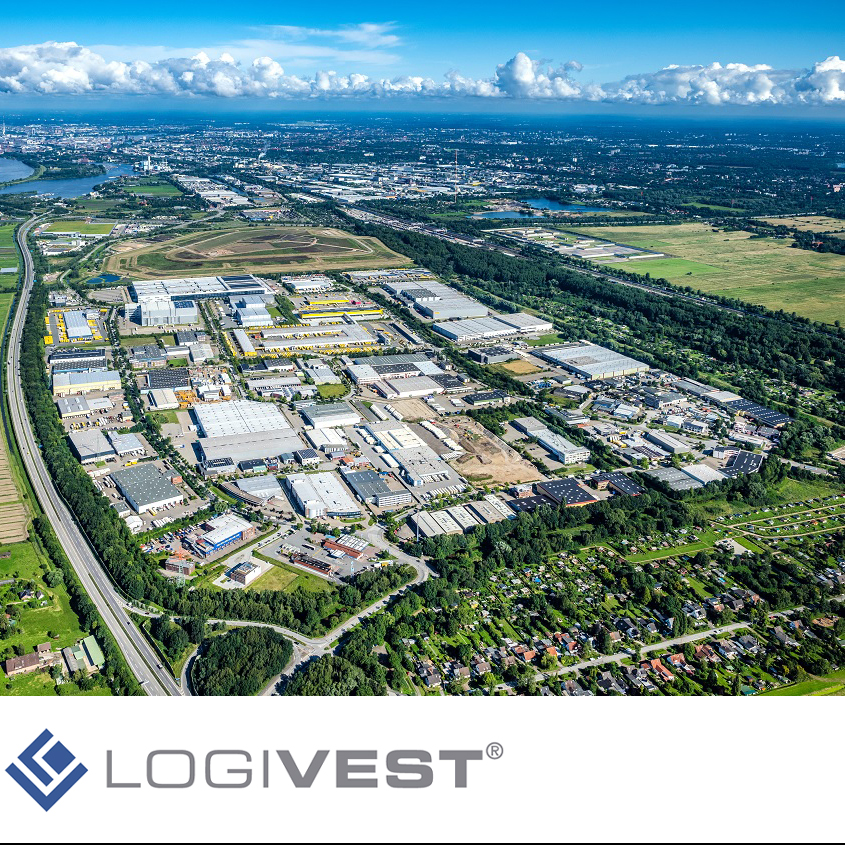
Hamburg is Europe’s second-largest seaport, home to more than 10,000 logistics companies and employing approximately 330,000 people in the logistics sector, and it is Europe’s leader in rail container transport. Hamburg Airport, located close to the city center, is a major hub for express freight, including for the maritime and aviation industries.
The Hamburg market for industrial and logistics space recorded a take-up of approximately 284,000 m² in the first three quarters of 2026. This result was about 3.3% higher than the previous year’s level. Despite the continuing challenging economic environment, the market thus remained solid overall. At the same time, the number of registered transactions declined by just under 26% compared with the same period last year.
Market activity was largely shaped by several major transactions. The segment above 10,000 m², in particular, experienced dynamic growth: The number of transactions in this size category doubled compared to the previous year. In the mid-sized segment, however, demand was lower. While the underlying demand for suitable industrial and logistics space remains strong, many companies continue to act cautiously in light of the uncertain economic outlook. A lack of planning certainty is leading to decisions on space being postponed and relocation plans being pursued only hesitantly. In addition, potential locations are being scrutinized more closely, which is prolonging the leasing process.
Rent trends, on the other hand, remain stable: both the prime rent and the average rent remain unchanged at 8.60 euros per m² and 6.60 euros per m², respectively.
Further market developments will therefore continue to depend on the overall economic situation and companies’ willingness to invest. For 2026 as a whole, space take-up of approximately 350,000 square meters is expected, which is slightly above the previous year’s figure. Under current conditions, a sustained market recovery is not expected for the time being. This would require, in particular, greater long-term planning certainty for companies and more stable economic development.